Monitoring and Management
Our optometrists track how a child's prescription changes between visits and use that record to decide when myopia-control care is worth starting. Monitoring keeps the plan tied to real measurements instead of guesswork.
Nearsightedness, also called myopia, means distant objects look blurry while close-up vision stays clear. It usually begins in childhood and often changes as a child grows, which is why eye doctors follow it closely through the school years.
Two everyday habits come up again and again in research and in the exam room: time spent outdoors, and time spent on screens and other close work. This page shows how those two habits relate to the wider picture, then points you to the care our team provides.
Move the two sliders to match a typical day for your child. The illustration below places that combination on a simple spectrum of protective habits. It is a teaching aid built on general patterns, not a score and not a prediction.
Reading, homework, drawing and screens held close-up all count here.
Play, sport, walking and recess all count. Daylight is the part that matters most.
Fewer protective habitsMore protective habits
With about 3 hours of screen and close-up time and about 1 hour outdoors each day, the two habits roughly balance out. Daily routine still counts: outdoor time is the one most consistently linked with when nearsightedness begins.
This figure is a general illustration, not an individual prediction. It uses no diopter values, no risk percentage and no validated model, so it cannot tell you whether your child will become nearsighted or how much their eyes will change.
An illustration is only useful when its limits are clear. Here is what this one does not do.
At SeaShore House Optical, children with progressive nearsightedness are monitored and treated with a plan built at the exam. Only the options our team confirms appear below, because we would rather list what we offer than what might sound appealing.
If you have read about an approach that is not listed here, ask us. Myopia-control care takes several forms and not every practice offers every one, so candidacy is a conversation, not a checkbox.
This page lists only what the practice confirms it offers. Any therapy you have heard about that is not shown here may or may not be available, so please ask the office directly rather than assuming either way.
Children rarely say their vision is blurry, because they have nothing to compare it to. Watch for these patterns and book an exam when they show up.
Your child narrows their eyes or turns their head to read the board, a street sign or the television across the room.
Books, tablets and phones drift toward the face, or a child leans far forward at a desk and still complains of blur.
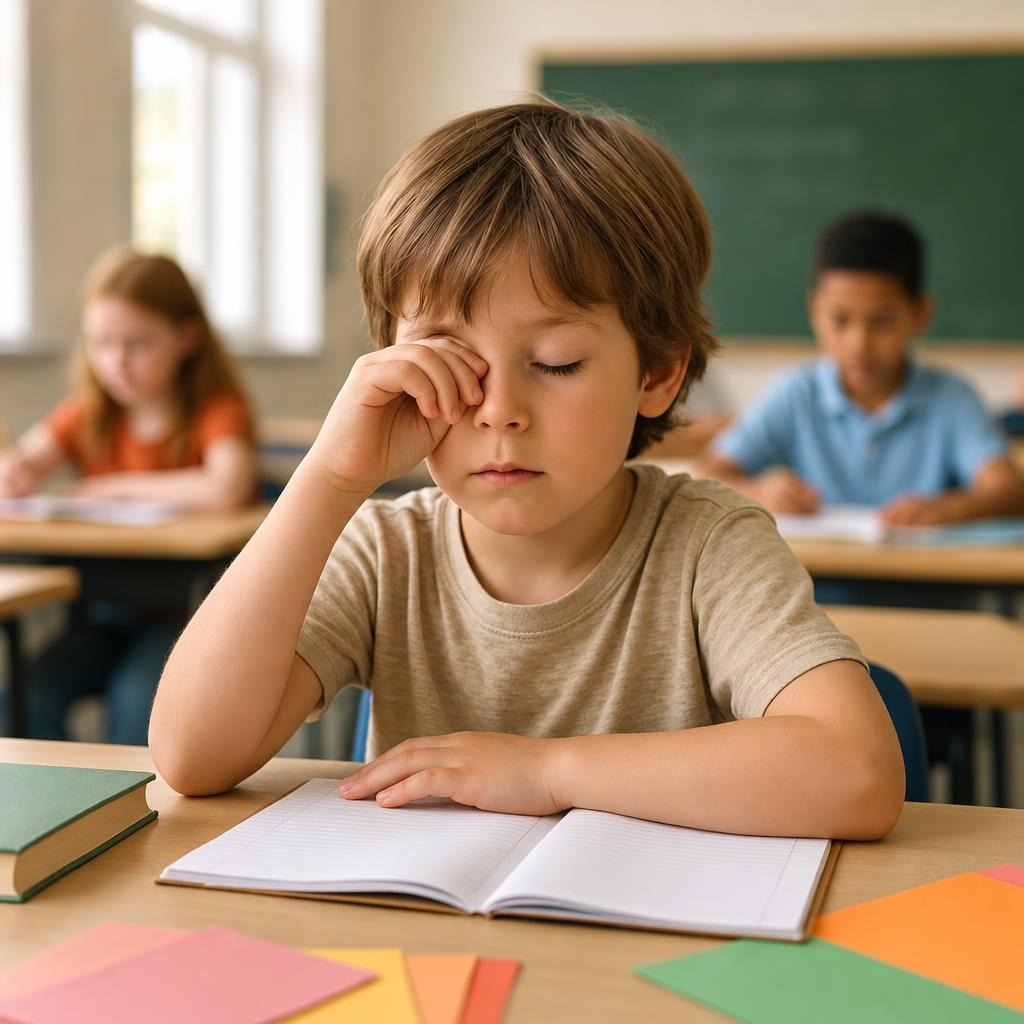
Frequent rubbing, tired eyes after school or headaches by the end of the day can point to an uncorrected vision problem.
Copying from the board, losing a place while reading or falling behind in work can be a vision issue rather than an attention one.
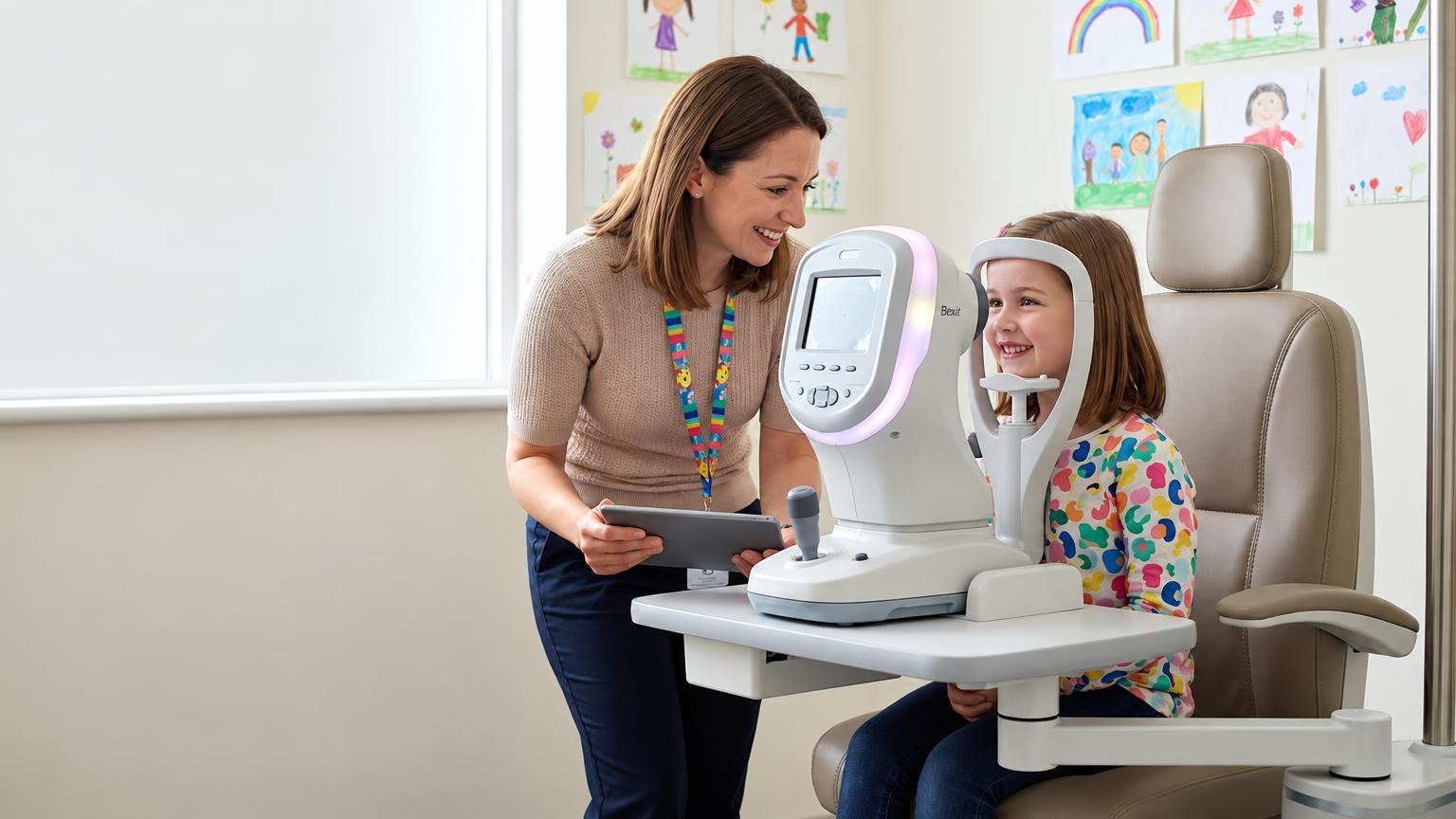
A children's exam follows the same careful path as an adult visit, using testing that suits your child's age and attention span.
How our pediatric exams are built around a child's age and comfort.
What a full vision and eye health exam covers for every member of the family.
Plain-language explanations of nearsightedness and other common conditions.
Fitting, trial lenses and follow-up for first-time and experienced wearers.
These interactive tools are educational demonstrations, not diagnoses, benefit guarantees or prescriptions. An exam and a conversation with the team help you choose care that fits.
Rayville, New York
Book at SeaShore HouseChoose this office in the booking page.
Chicago, Illinois
Book at SeaShore FoxfireChoose this office in the booking page.