Round
A round face has soft curves and fairly even width. Angular frames add definition, so look for rectangular, browline or geometric shapes with squared corners and a strong brow line. Try first: rectangular, browline and geometric frames.

Most frame shopping starts at the wall: pull down anything that catches your eye and hope something works. This finder starts with you. Three questions cover your face shape, the style you reach for, and how you use your eyes through the day, and your answers point to the frame shapes and details worth trying on first.
It is guidance, not a prescription. Your prescription still decides the lens design and how thin we can make it, and a frame has to sit level on your face and clear of your lashes. Bring your results to any of our offices and an optician will pull the frames that fit both.
Start the Frame Finder
One answer per question, and you can change any of them at any step. Nothing leaves this page until you ask for your results.
Step 1 of 3
These are the eyewear brands in our current lineup. Your answers do not point to one brand, because fit, bridge width and your prescription decide what works on your face rather than a label does. Availability changes as collections arrive, so treat this as a starting list and let an optician pull frames for you in person.


A frame shape can balance your features or fight them. These are the starting points our optical staff reach for, and the same guidance you will see in your results.
A round face has soft curves and fairly even width. Angular frames add definition, so look for rectangular, browline or geometric shapes with squared corners and a strong brow line. Try first: rectangular, browline and geometric frames.
A strong jaw and a broad forehead meet at straighter lines. Round, oval and soft-cornered frames soften that structure, and thinner rims keep the look from turning boxy. Try first: round, oval and soft-square frames.
The brow is wider than the chin. Frames that carry more weight at the bottom, with low-set temples and thin or rimless rims, even that out. Try first: bottom-heavy, rimless and aviator shapes.
Balanced proportions with a gently curved jaw. Most shapes work here, so fit matters more than form: keep the frame as wide as the broadest part of your face and keep the top rim below your brow. Try first: almost any shape, measured to sit level.
Cheekbones lead, and the forehead and jaw read narrower. Frames that are widest at the brow, or delicate rimless styles, keep the balance. Try first: cat-eye, browline and oval frames, including rimless.
Style is about how you want to be seen. Start from the look you reach for now rather than the one a display is selling this month.
Timeless shapes and quiet colors you will still like in a few years. Acetate in tortoise, black or crystal, and metal in gold or silver, keep the look familiar without turning plain. Try first: round metal, classic rectangular and keyhole bridge styles.
The frame speaks before you do. Thick acetate, unusual shapes and saturated color carry that look, and they suit a wardrobe that already makes statements. Try first: oversized squares, chunky acetate and color-forward frames.
Light, thin and almost invisible. Titanium and stainless steel keep the weight off the bridge, while rimless and thin metal styles leave your face as the focus. Try first: rimless, thin metal and small round frames.
Earthy tones and organic shapes read relaxed rather than formal. Matte acetate, wood-inspired finishes and softer ovals suit weekends, classrooms and long days outside. Try first: oval acetate, soft hexagon and matte finishes.
Two people with the same prescription can need very different glasses. Think about the moments you wear them most.
Long hours at a screen want more vertical room in the lens. A slightly taller frame opening gives a computer or progressive lens space to work, so your eyes travel less between the screen and the room. Try first: deeper rectangles and soft squares.
Glare and reflection matter more behind the wheel. Wrapped or curved shapes with anti-reflective coatings cut reflections, and a frame that stays centered keeps the lens where it belongs when you check the mirrors. Try first: curved styles with a secure fit.
Movement asks for grip and flexibility. Memory-metal and TR-90 frames flex and spring back into shape, and rubberized temples and nose pads hold frames in place. Try first: lightweight sport frames with grip temples.
Prescription sunglasses and photochromic lenses block UV and correct your vision at once. A second pair also means a spare when one is at the bench for an adjustment. Try first: oversized or wrapped styles with polarized lenses.
One pair has to cover reading, driving, meetings and the school run. A medium-depth frame in a material that stays light on the nose covers the most ground, and good adjustment keeps it comfortable from morning to night. Try first: balanced rectangles or ovals in titanium or acetate.
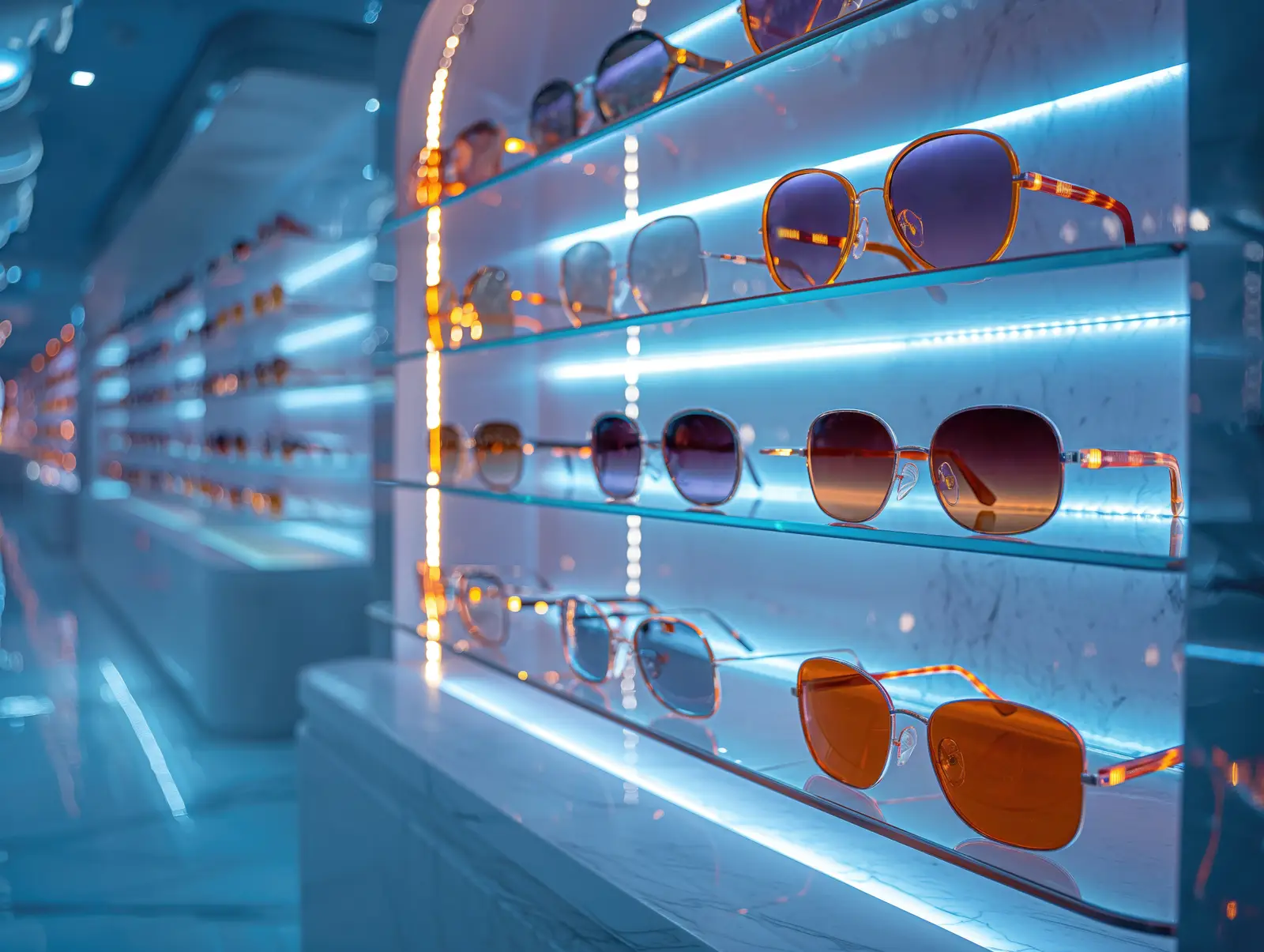
Your results are a conversation starter, not a shopping list. Here is how a frame fitting runs in our offices.
Frames come from the brands our office carries, and availability changes as collections arrive. If you have a specific model in mind, tell us and we will check what is on the board.
These pages pick up where the finder leaves off.
These interactive tools are educational demonstrations, not diagnoses, benefit guarantees or prescriptions. An exam and a conversation with the team help you choose care that fits.
Rayville, New York
Book at SeaShore HouseChoose this office in the booking page.
Chicago, Illinois
Book at SeaShore FoxfireChoose this office in the booking page.