SeaShore House OpticalEye care & eyewear

SeaShore House Optical

Your First Visit: A Scroll Tour

Book a Visit ↗

What Happens During a First Eye Exam

A first eye exam is a sequence of short, connected steps rather than one long test. You describe what you have noticed, your doctor reviews your health history, a set of measurements and tests narrows down what is going on, and the two of you decide what to do next.

This page follows that sequence in order. Scroll through it, or choose a step from the list to jump straight to the part you want to understand. Nothing here is hidden behind the interactive parts: every step is written out in full.

Three Minutes Well Spent

Knowing the shape of a first visit makes the appointment easier to follow. You will recognize each stage as it happens, and you will know what you can ask for.

See Our Eye Exam Page

Walk Through the Visit Step by Step

Five stages, in the order they usually happen. Use the step list to jump to any stage, or keep scrolling to follow the visit from start to finish.

Step 1

Start With Your Goals and Symptoms

The visit opens with you. You might mention headaches after a long day at a screen, trouble reading road signs at dusk, a child who squints at the board, or a routine check because it has been a few years.

Your doctor listens for what changed, when it started, and what you want out of the appointment. Those details steer everything that follows, which is why a short description in your own words is more useful than guessing at a diagnosis.

A woman sitting by a sunny window, the kind of everyday setting where vision changes first show up

Step 2

Your History and Health Background

Next comes the background that shapes risk. Your doctor asks about medications, previous eye surgeries or injuries, contact lens habits, diabetes and other health conditions, and whether eye problems run in your family.

This is also the moment to mention anything that sounds minor: dry, itchy eyes through allergy season, a floater that appeared last month, or a prescription that never felt quite right. Small details here often explain test results later.

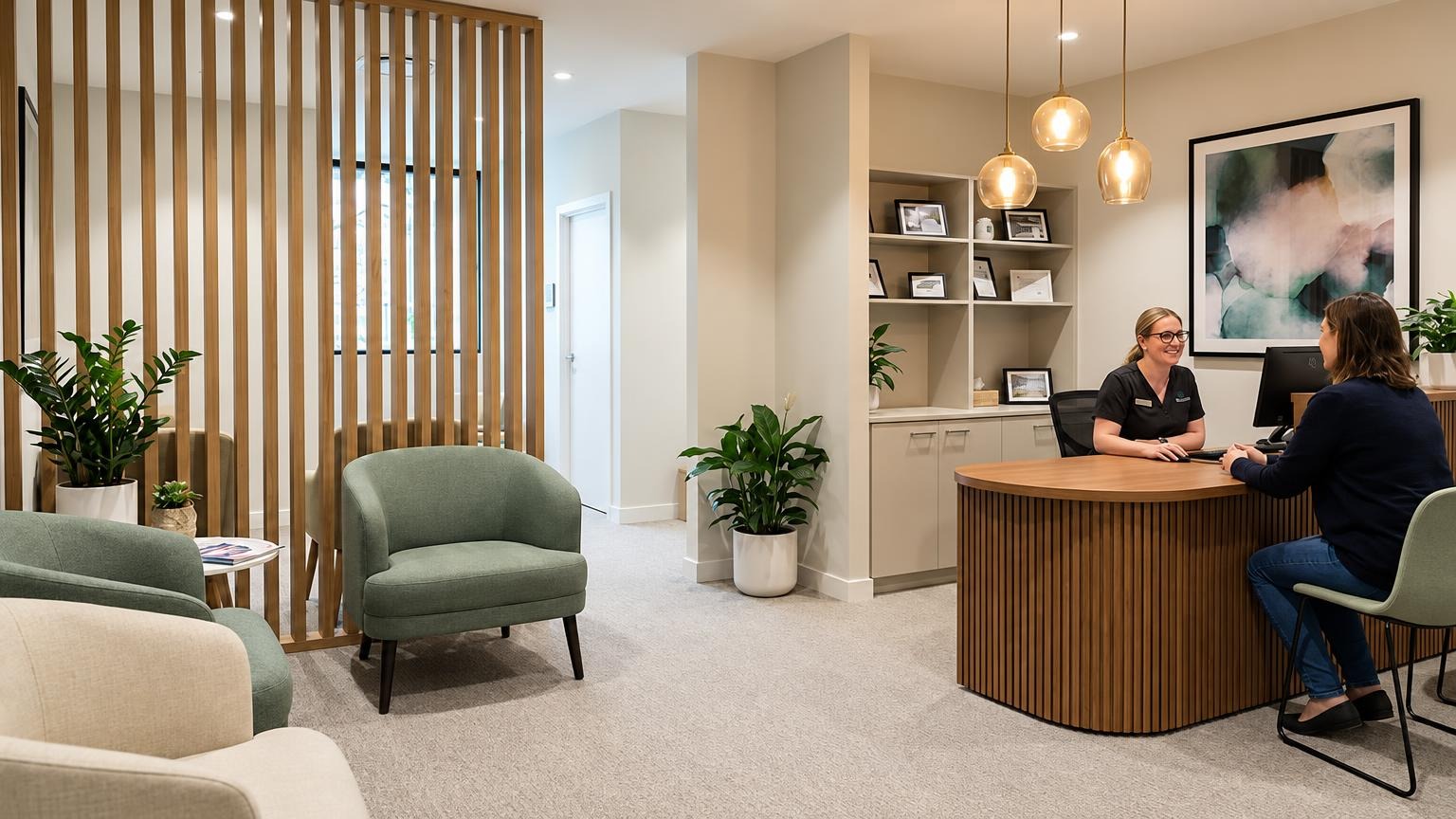
An optometry team member speaking with a seated patient at the front desk

Step 3

Measurements and Selected Testing

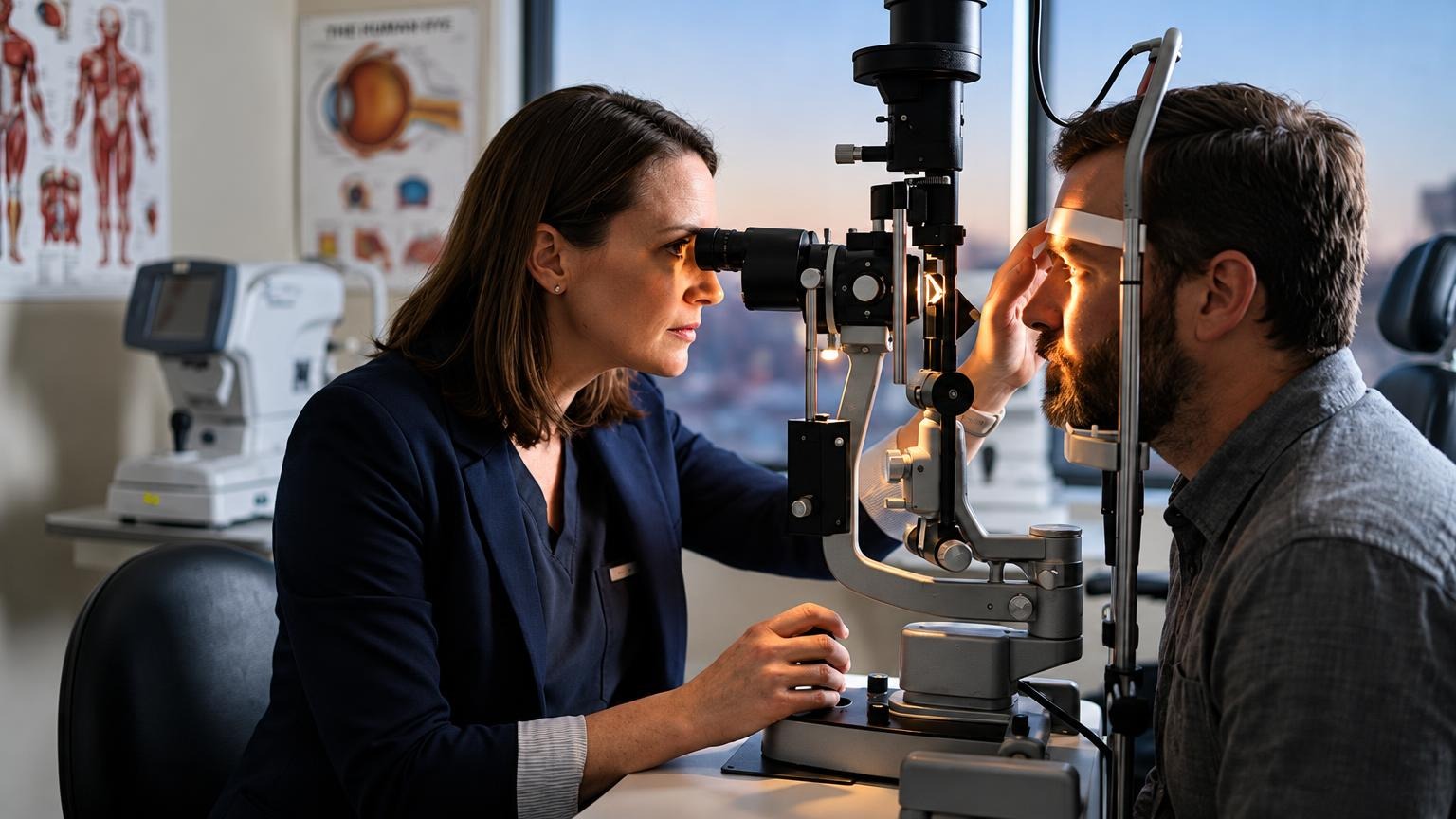
Your doctor measures how your eyes focus and work together, then chooses tests based on what you described and what the measurements show. Some look at the front surface of the eye, some at the retina and optic nerve, and some check pressure or peripheral vision.

Testing is selected, not standard for everyone. A young adult with a stable prescription and a parent with a family history of glaucoma may be checked quite differently, even in the same afternoon. Drops to widen your pupils may be recommended, and some testing uses bright light.

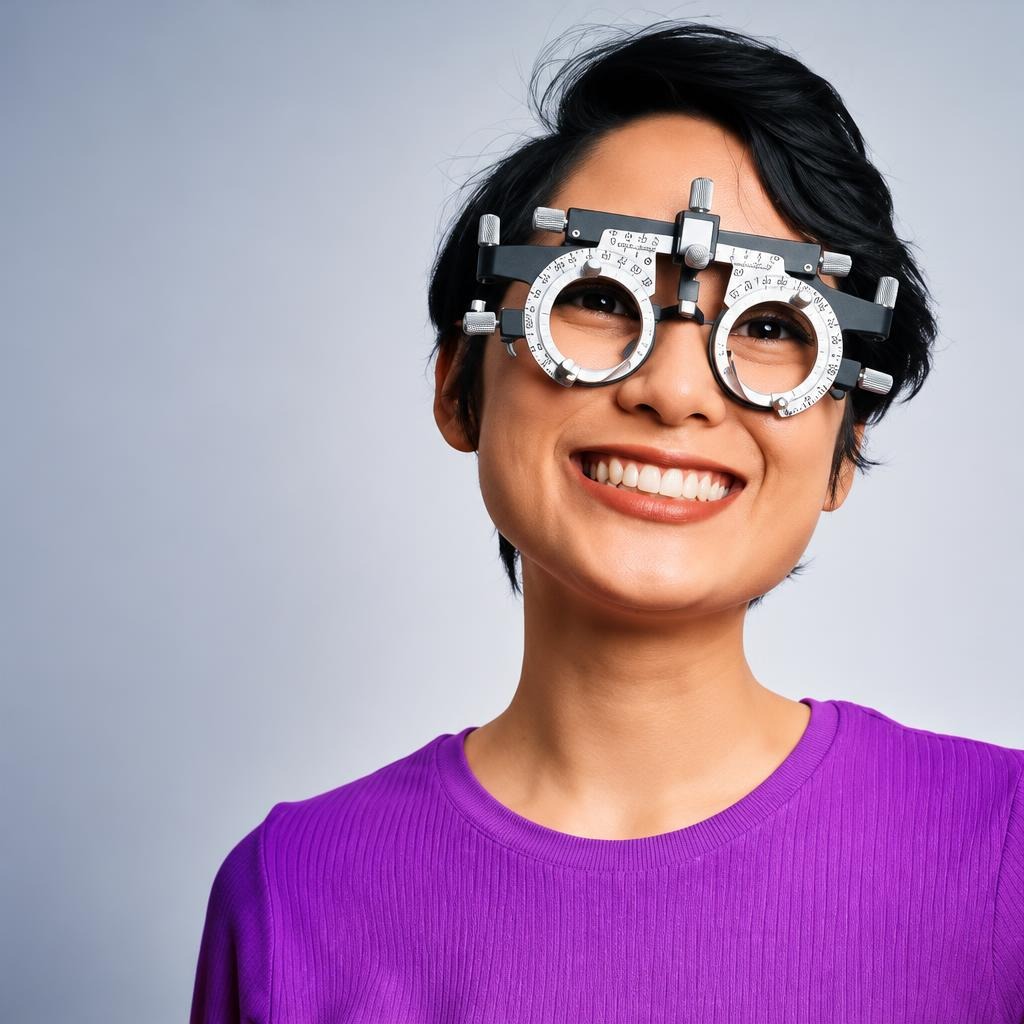
A patient looking through a phoropter during the measurement stage of an eye exam

Step 4

Your Doctor Explains What They See

Once the testing is done, your doctor puts the pieces together and explains them in plain language: what your prescription means, what your eye health looks like, and what today's tests could and could not tell them.

Ask for a picture or a diagram if that helps. If a result needs watching rather than treating, your doctor should say so, along with when they want to look again. If something needs a second opinion or a specialist, you will hear that here rather than after you leave.

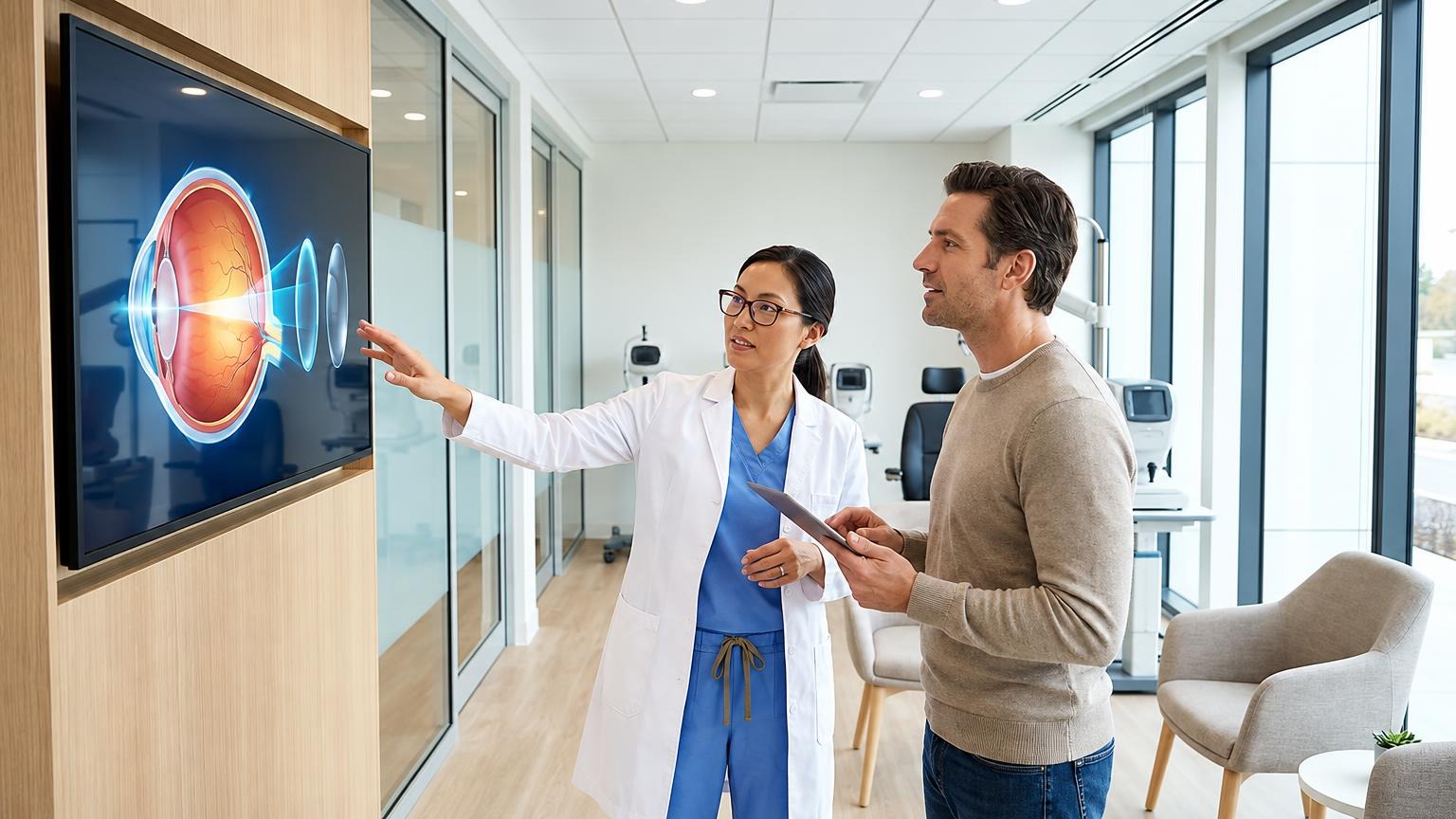
An optometrist showing a patient an eye diagram on a wall display

Step 5

Your Plan and Next Steps

The visit closes with a plan you understand. It might be a fresh prescription, a follow-up in a set number of months, a trial of drops, a referral, or simply a note that nothing needs attention right now. Whichever it is, you should leave knowing what happens next and who does it.

If cost or insurance is part of the decision, say so before you leave. Your team can check benefits and talk through timing, so a plan you agree to in the exam room is one you can follow through on.

What You Leave With

  • An explanation of your results in plain language
  • Your updated prescription, when you need one
  • Any follow-up date or monitoring plan
  • A record of which tests were run today

The Tools Your Doctor May Use

Our offices list the equipment below in the practice records. Your doctor chooses the tools that fit what they find during your exam, so your first visit may use some of these and not others. Equipment also differs from office to office.
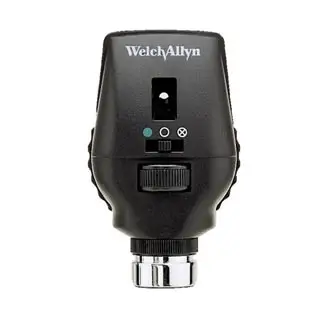
3.5V AutoStep® Coaxial Ophthalmoscope

3.5V AutoStep® Coaxial Ophthalmoscope

Used for inspecting the retina and other parts of the eye.
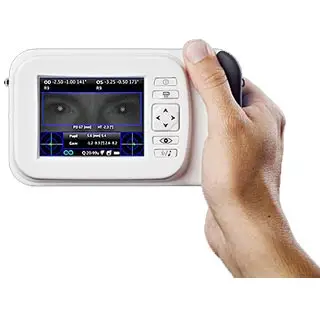
2WIN

2WIN

Using a digital computerized refracting system, we can determine the best prescription for you.
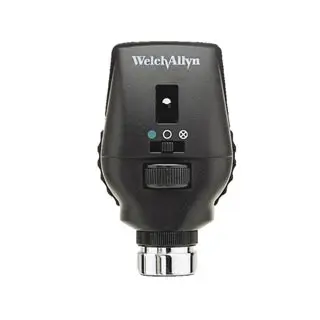
3.5V Coaxial Ophthalmoscope

3.5V Coaxial Ophthalmoscope

Used for inspecting the retina and other parts of the eye.
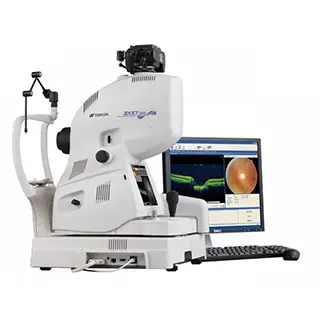
3D OCT 2000

3D OCT 2000

The 3D OCT-2000 Series of Spectral Domain OCTs with High Resolution Fundus Cameras was designed to meet the needs of a comprehensive fundus imaging device for all eye care professionals from the single doctor practice to a large university hospital.
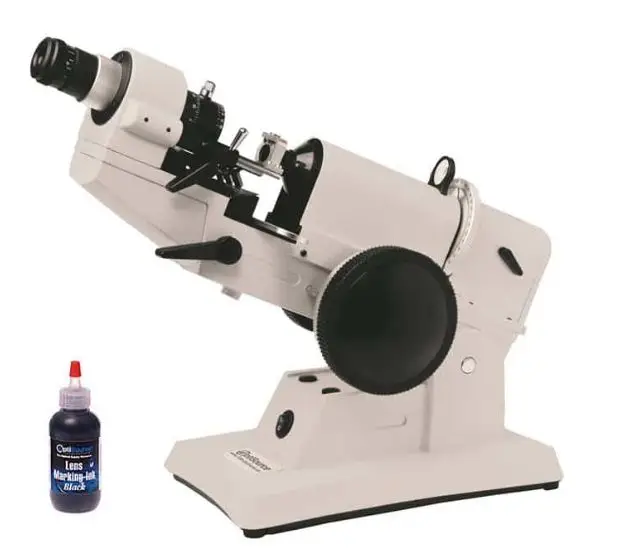
32-AXIS221 Manual Lensmeter w/ Ink

32-AXIS221 Manual Lensmeter w/ Ink

This is used by optometrists and opticians to verify the correct prescription in a pair of eyeglasses and contact lenses, to orient and mark uncut lenses, and to properly mount lenses on eyeglass frames.
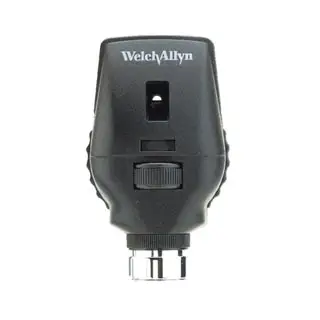
3.5V Standard Ophthalmoscope

3.5V Standard Ophthalmoscope

Used for inspecting the retina and other parts of the eye.

AP-7000

This is used to assist with Glaucoma detection. It's designed for the examination, analysis and documentation of the field of sight, especially the light difference sensitivity and other functions of the human eye.
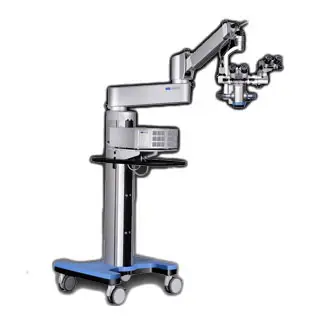
ALLEGRA 90

ALLEGRA 90

Used for 3D depth perception, a large depth of field, and clarity for eye surgeries
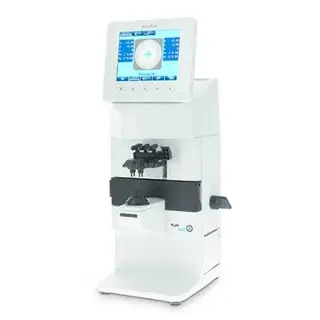
ALM500 Auto-Lensmeter

ALM500 Auto-Lensmeter

This is used by optometrists and opticians to verify the correct prescription in a pair of eyeglasses and contact lenses, to orient and mark uncut lenses, and to properly mount lenses on eyeglass frames.
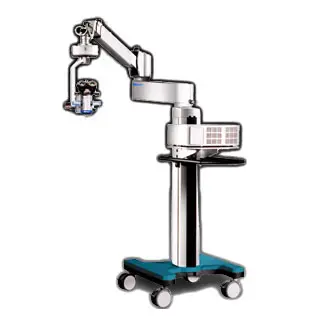
ALLEGRA 900

ALLEGRA 900

Used for 3D depth perception, a large depth of field, and clarity for eye surgeries
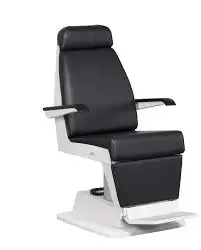
Bravo Eye Exam Chair

Bravo Eye Exam Chair

For years, practitioners have asked for a simple-featured low cost eye examination chair for everyday primary patient care. The Bravo chair from Marco embraces this basic concept in a contemporary design that complements our established family of classical eye exam chairs and instrument stands. By eliminating the reclining mechanism and protruding “elbow” headrest, this low cost eye examination chair can be comfortably positioned against the wall, maximizing the refraction distance in small exam rooms. Convenient, pop-on cushions feature a high, curved cushion back that provides a comfortable patient headrest position for eye drops or indirect exams.

Bruder Moist Heat Eye Compress

Bruder Moist Heat Eye Compress

BRUDER Moist Heat Eye Compress opens oil glands and allows natural oils to flow back into the eye relieving discomfort from aging, contact lenses, use of digital devices and more.
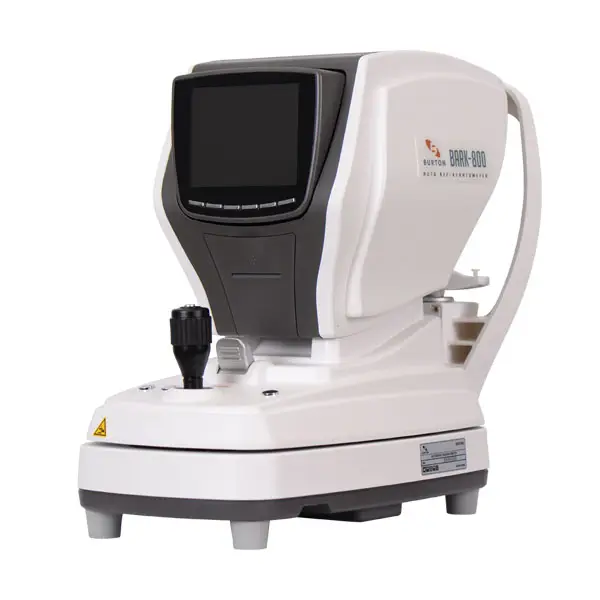
Burton Autorefractor/Keratometer

Burton Autorefractor/Keratometer

Using an automated, computerized refracting system, we can determine the best prescription for you.
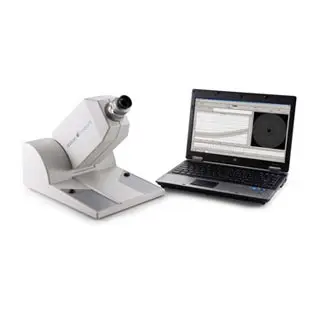
C-Quant

C-Quant

Measures the amount of straylight in a human eye individually and reliably. The effect of increased straylight in the human eye can be compared to looking through a dirty windshield.

SL-Z2 SLIT LAMP

Evaluates the tear film on the surface of the eye to facilitate diagnosis. May detect many diseases of the eye, including: eyelid diseases such as Blepharitis, Conjunctivitis, Cataracts, Corneal Injuries and diseases such as Keratoconus, retinal diseases such as Macular Degeneration and Retinal Detachment, Dry Eye
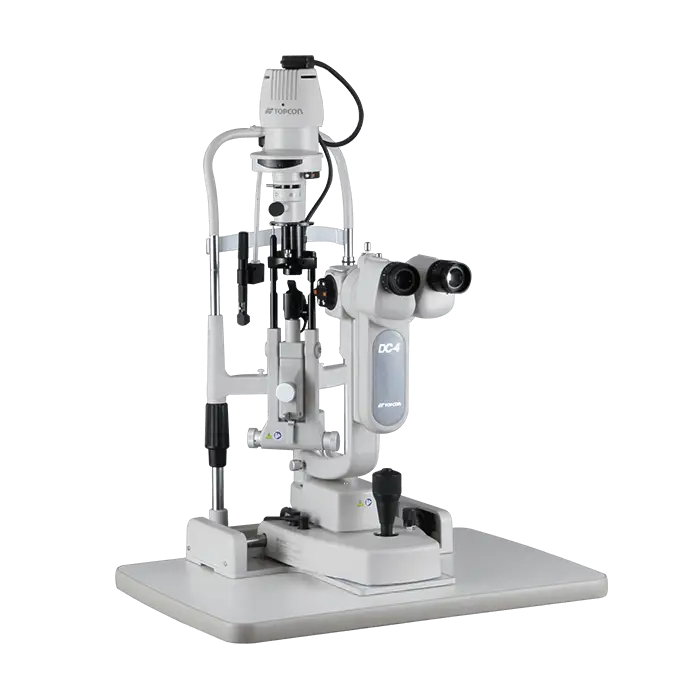
SL-HZ SLIT LAMP

Evaluates the tear film on the surface of the eye to facilitate diagnosis. May detect many diseases of the eye, including: eyelid diseases such as Blepharitis, Conjunctivitis, Cataracts, Corneal Injuries and diseases such as Keratoconus, retinal diseases such as Macular Degeneration and Retinal Detachment, Dry Eye

SL-H2 SLIT LAMP

Evaluates the tear film on the surface of the eye to facilitate diagnosis. May detect many diseases of the eye, including: eyelid diseases such as Blepharitis, Conjunctivitis, Cataracts, Corneal Injuries and diseases such as Keratoconus, retinal diseases such as Macular Degeneration and Retinal Detachment, Dry Eye
SL-D701 Slit Lamp

SL-D701 Slit Lamp

A complete Slit Lamp with expanded magnification range, digital ready, LED illumination and infra red capability.
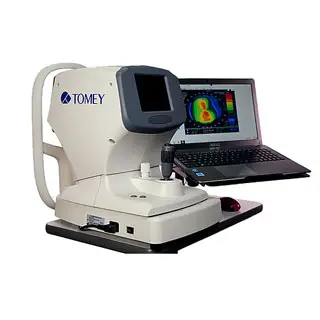
TMS-4N

TMS-4N

Produces incredible images of the unique contours of your eye. This is great for fitting sclerals. Advanced vision-assessment system that combines topography, wavefront, autorefraction, keratometry, and pupillometry — allowing accurate and reliable analysis of corneal aberration.
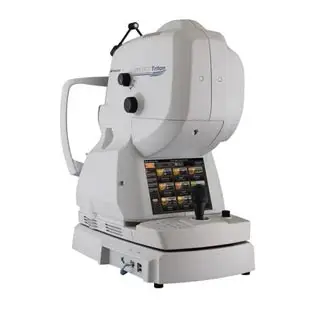
Swept Source DRI OCT Triton™

Swept Source DRI OCT Triton™

OCT technology generates high-resolution, cross-sectional and three-dimensional (3D) images of the retina, optic disc and anterior segment, to give you valuable information that aids in the diagnosis and management of a range of ocular diseases.
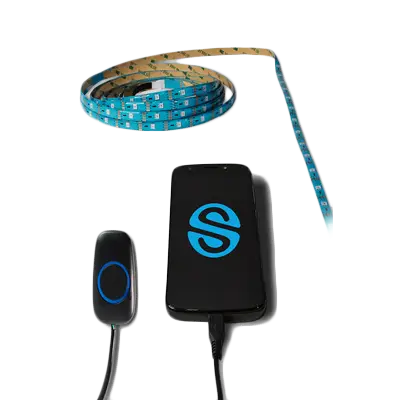
Synchrony

Synchrony

Anticipation timing is an essential skill you rely on every day. The simple act of catching a ball requires your eyes to track motion, your brain to judge distance, speed, and trajectory, and your muscles to move in time with the ball’s arrival. The Senaptec Synchrony provides an effective and fun solution engineered to sharpen and refine these judgment calls - both in sport and in everyday life. The Senaptec Synchrony is a brand-new, patented technology designed to train eye-hand timing, responsiveness, and accurate judgment of moving objects; the Senaptec Synchrony uses LED lights to simulate motion. The device can be controlled with an Android smartphone or tablet with the Synchrony App, a free download from the Google Play Store. Each module is customizable to create individual programming. After each session, a detailed performance scorecard is generated. Additional triggers and LED extensions are available for purchase to further tailor to your needs. *Phone is not included in Synchrony Package.

Equipment names and descriptions on this page come from the practice's own records, so this list stays current as our offices change what they use.

Why Your Visit May Differ From Someone Else's

Two people can walk into the same office on the same morning and have two quite different exams. That is how a good visit works rather than a sign that someone was skipped.

  • Your symptoms and history decide which tests your doctor runs.
  • Each office keeps its own set of equipment, so a tool you see at one location may not be at another.
  • Age, medications, contact lens wear and family history change what deserves a closer look.
  • Some testing uses bright light or dilating drops, and comfort and after-effects vary from person to person.
  • Not every patient receives every test, and no single exam rules out every condition.

If a step on this page looks different from what happens at your appointment, that is expected. Your doctor adapts the visit to you.

Bring These With You

  • Your current glasses, and a contact lens box or your lens details
  • A list of medications and supplements you take
  • Your vision and medical insurance cards
  • What you have noticed about your vision, in your own words
  • Any eye records or prescriptions from another office

Questions Worth Asking at Your First Visit

An exam is a good place to ask direct questions. These six cover most of what patients want to know once the testing is finished.

  • What did today's tests show, and what were they checking for?
  • Are my eyes changing, and how quickly?
  • Do I need a new prescription now, or can it wait?
  • Which of these tests will I need again at my next visit?
  • Does anything you found need monitoring or a referral?
  • What should I do if my vision or symptoms change before my next appointment?

Write them down before you come in, or ask as they occur to you during the visit.

Your Next Step: Choose an Office

These interactive tools are educational demonstrations, not diagnoses, benefit guarantees or prescriptions. An exam and a conversation with the team help you choose care that fits.

Explore All 10 Demos