
A regular eye exam protects your sight. A contact lens exam adds the measurements, fit checks, and guidance needed to wear contacts comfortably and safely.
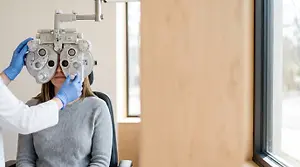
Contact Lens Exam vs. Eye Exam: What’s Different?
If you are thinking about contacts—or you already wear them—it is natural to wonder whether a contact lens exam is really different from a regular eye exam. The short answer is yes. Both visits assess your vision and eye health, but a contact lens exam includes additional steps to make sure the lenses match your eyes, lifestyle, and prescription.
That extra attention matters. Contact lenses sit directly on the surface of the eye, so the right lens should provide clear vision without compromising comfort or corneal health. A thorough visit is also a good time to discuss dryness, screen use, sports, work routines, and any trouble you have had with previous lenses.
What a regular eye exam covers
A comprehensive eye exam looks at much more than whether you can read the smallest line on a chart. Your optometrist reviews your health history, checks how clearly you see, evaluates how your eyes work together, and examines the structures of your eyes for changes that may affect vision. The findings can guide an eyeglasses prescription and help identify concerns that deserve monitoring or treatment.
In other words, a regular exam is the foundation of ongoing eye care. If you have noticed blurred vision, headaches, new floaters, eye strain, or a change in night vision, do not assume it is only a prescription issue. A comprehensive eye exam gives your doctor the context needed to advise you well.
Why contacts need additional measurements
Unlike glasses, contacts need to align with the curve and size of your eyes. During a contact lens exam, the doctor may measure the curvature of the cornea, evaluate the tear film, and choose trial lenses that match the way your eyes focus. They will also check the lenses on your eyes after you put them in, looking at movement, centering, vision, and comfort.
These details help prevent common problems such as fluctuating vision, dryness, redness, or a lens that feels like it is slipping. A contact lens prescription is therefore separate from a glasses prescription—even when the power looks similar.
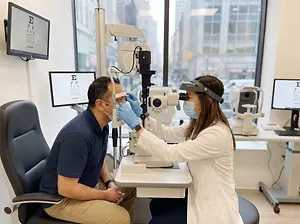
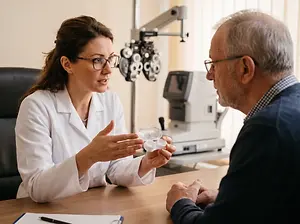
What happens during a contact lens exam?
Most appointments begin much like a regular exam: a conversation about your vision, medical history, medications, and daily needs. Then your doctor completes the tests appropriate for your eyes and updates your vision correction as needed. If contacts are part of the plan, the fitting portion follows.
- Eye measurements: Your doctor gathers the dimensions and surface information needed to select a lens design.
- Trial lenses: You may try lenses in the office so your vision and fit can be evaluated in real conditions.
- Comfort and health check: The doctor checks how the lenses settle, move, and interact with your tear film.
- Wear and care review: New wearers learn insertion, removal, cleaning, replacement schedules, and when to take lenses out.
Be honest about your routine. Sharing that you work long hours at a screen, play a contact sport, or struggle with dry eyes can change the lens material, replacement schedule, or care plan your doctor recommends.
How often do contact lens wearers need an exam?
Many contact lens wearers benefit from yearly visits, but the right schedule depends on your eye health, prescription, lens type, and symptoms. Your optometrist may recommend more frequent follow-up if you have dry eye, allergies, diabetes, a history of eye infection, or a change in comfort or vision.
Do not continue wearing an old lens supply if your eyes are red, painful, unusually light-sensitive, or suddenly blurry. Remove the lenses and contact an eye care professional promptly. Regular check-ins are the best way to keep your contact lens prescription current and to catch fit or health issues early.
If you are ready to explore contacts or need to update your prescription, schedule a visit with our team. Bring your current glasses, contact lens boxes if you have them, and a note of any comfort concerns so the conversation can start in the right place.
Contact lens exam FAQs
Yes. A regular eye exam evaluates your vision and the health of your eyes, while a contact lens exam adds measurements and a fitting to confirm that a lens sits, moves, and sees well on your eyes. You need a current contact lens prescription to purchase contacts, even if you also have a glasses prescription.
Many contact lens wearers should have an exam about once a year, but your doctor may recommend a different schedule based on your eye health, lens type, and symptoms. Schedule sooner if lenses become uncomfortable, your vision changes, or your eyes are red or painful.
Your optometrist checks your vision and eye health, then measures your eyes and evaluates trial lenses for vision, fit, and comfort. New wearers also receive practical guidance on insertion, removal, cleaning, and replacement. The goal is a lens that supports clear, comfortable, healthy wear.
Reviewed by Dr. Bryan Chi, O.D.